 Weddings
 Birthdays
 Engagement parties
 Hen and stag dos
 Anniversaries
 Baby showers
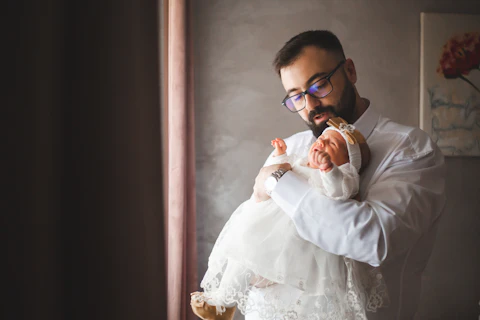 Christenings and naming days
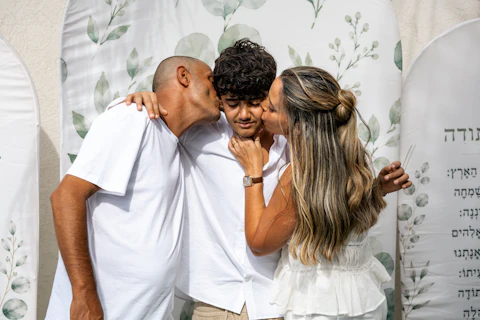 Bar and bat mitzvahs
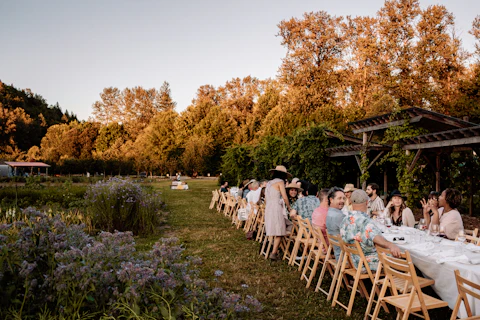 Reunions
 Celebrations of life
 Any other gathering
Plus-ones and children at weddings: who to invite and how to say it
Plus-ones and children cause more awkward messages than any other part of a guest list. It isn’t really about the extra meal. It’s that every exception you make becomes a precedent somebody else will politely point out. I’ve been the guest asking and the friend being asked. Here’s how to set rules you can stick to, and how to say them kindly.
Decide the rule before anyone asks
A rule you’ve decided in advance is much easier to hold than one you make up while someone is asking. Most couples land on one of these: plus-ones for anyone married, engaged or living with a partner; plus-ones for anyone in a relationship you’ve heard of; or plus-ones for everyone. Pick one and apply it to everyone, including your own friends.
A useful test is whether you’d recognise the partner in a photo. If you wouldn’t, and they aren’t married, engaged or living together, it’s fair to leave them off.
Who usually gets one
- Married, engaged and long-term live-in partners, named on the invitation
- Members of the wedding party, so they aren’t working the day alone
- Guests who’ll know nobody else, which is a kindness rather than a rule
- Anyone travelling a long way, especially abroad
Children
Adults-only weddings are common and nobody reasonable will hold it against you. The tricky bit is exceptions. If you’re inviting nieces and nephews but not friends’ children, or babies in arms but not toddlers, say so clearly on the website so it reads as a rule rather than a slight.
Give parents plenty of notice. Childcare for an evening is one thing; childcare for a weekend in Cornwall is something people need to plan for months ahead.
Say it on the invitation
The names on the invitation do most of the work. “Dear Chris” means Chris. “Dear Chris and guest” means Chris may bring someone. Your RSVP should match: if guests reply online for their household, they’ll only see the people actually invited, which avoids a surprising number of awkward conversations.
A line on the website does the rest: “We’ve kept our numbers small, so we can only welcome those named on your invitation. Thank you for understanding.”
When someone asks anyway
Someone will. Be kind, brief and consistent: “We’d love to, but we’ve had to keep numbers tight and we’re not able to offer plus-ones beyond partners. We really hope you can still come.” Don’t give a long explanation, which invites negotiation, and don’t make one exception, which invites ten.
If your circumstances change, for example several people decline and you have room, it’s fine to extend plus-ones later. Just do it evenly.