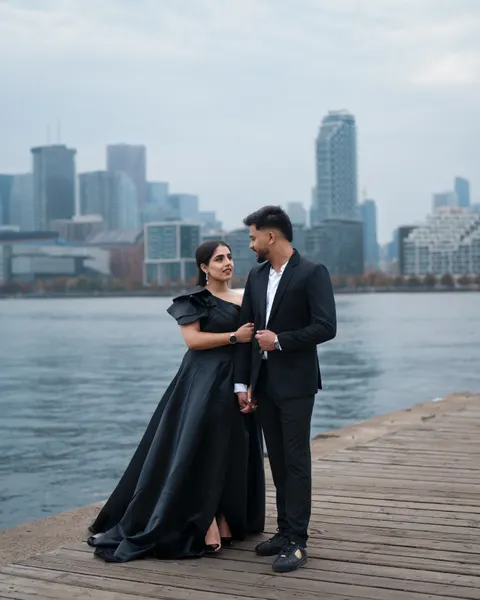
 Weddings
 Birthdays
 Engagement parties
 Hen and stag dos
 Anniversaries
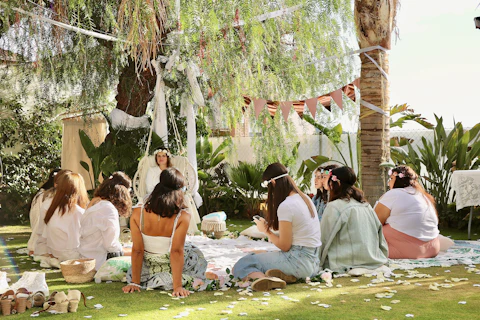 Baby showers
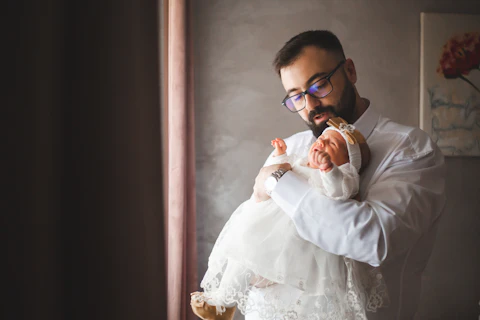 Christenings and naming days
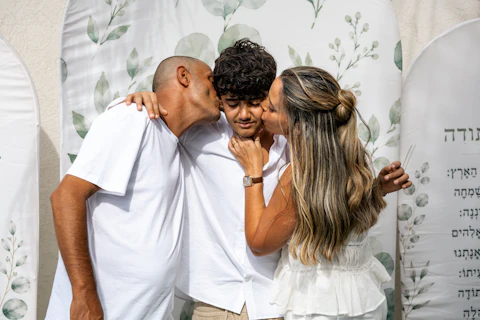 Bar and bat mitzvahs
 Reunions
 Celebrations of life
 Any other gathering
Wedding invitation wording: examples for every kind of wedding
The invitation is the first thing most guests hold of your wedding, and it sets the tone before anyone has seen a venue or a dress. It also has to do a surprising amount of work in about forty words. I’ve helped a lot of couples with this, and the questions are nearly always the same: whose names go first, how formal to be, and how to say “no children” without sounding like a sign in a car park. Here are wordings you can use as they are.
What every invitation needs
Whatever the style, an invitation answers five things: who is hosting, who is getting married, when, where, and how to reply. Everything else, from the dress code to where to stay, can live on your wedding website, which keeps the card clean and spares you a second print run when the coach times change.
- The hosts (often the couple themselves now, sometimes parents)
- Both full names
- The day, date and time, written out
- The venue, with the town
- How and by when to reply, and the website address
Formal wording
Traditional British invitations are written in the third person and name the hosts first. If the bride’s parents are hosting, it reads like this:
“Mr and Mrs David Hughes request the pleasure of your company at the marriage of their daughter Emily to Mr Thomas Byrne, at St Mary’s Church, Ludlow, on Saturday the twelfth of June two thousand and twenty-seven at two o’clock, and afterwards at Stokesay Court.”
“The honour of your presence” is traditionally kept for a religious ceremony and “the pleasure of your company” for everything else. Very few guests will notice, but the ones who do will notice.
Relaxed and modern wording
Most couples I work with now host their own wedding, or share it with both families, and the wording can say so plainly:
“Together with their families, Priya Shah and Sam Okafor invite you to celebrate their marriage on Saturday 12 June 2027 at 1pm, The Barn at Upcote, Gloucestershire. Reply by 1 April at hitherapp.com/w/priya-and-sam.”
Or simpler still: “We’re getting married! Join Ellie and Jo for the ceremony, dinner and dancing.” First names and figures are fine. A relaxed invitation isn’t less proper; it just sounds like the two of you.
Divorced, remarried or both sets of parents
If parents are divorced and both contributing, name each on their own line, with partners if that suits everyone: “Ms Anna Price and Mr Robert Price request the pleasure of your company…”. If that’s going to start a conversation you’d rather not have, “Together with their families” includes everyone without ranking anyone.
When in doubt, ask the people being named before it goes to print. It takes five minutes, and it’s much easier than a reprint.
Adults-only and plus-ones
The clearest way to show who is invited is the name on the envelope or the invitation itself. If it says “Mark and Lucy”, it doesn’t include their children. A gentle line on the card or website helps too:
“We love your little ones, but our celebration will be adults only. We hope this gives you a night off.”
“Owing to limited numbers, we’re only able to invite those named on the invitation.” If you’re making exceptions for very young babies or the immediate family, say so on the website, before anybody spots it on the day.
Evening-only invitations
Evening guests should know they’re evening guests before they arrive, not when the doors to the dinner close. Make it a separate card or wording: “Join us for the evening celebration of Lauren and Kit, from 7.30pm at The Old Mill, Bradford-on-Avon. Drinks, food and dancing until late.” Give them a time to arrive and mention food, so nobody eats a sandwich in the car park.
Replies, the website and the small print
A reply-by date six to eight weeks before the wedding gives your caterer time and you some slack. With an online RSVP, put the web address and a short code on the card so older guests can type it rather than scanning anything. A line such as “Everything you need is on our website, including travel and places to stay” stops the card turning into an essay.
Before printing, have someone who wasn’t involved read it aloud. The date, the time and the spelling of the venue are where mistakes usually hide.