 Weddings
 Birthdays
 Engagement parties
 Hen and stag dos
 Anniversaries
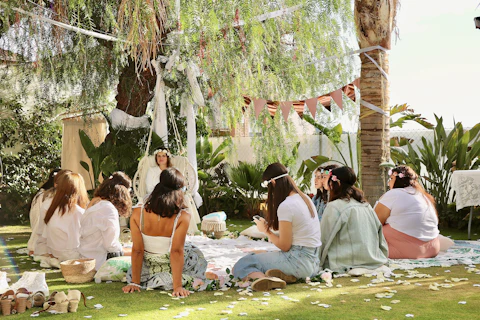 Baby showers
 Christenings and naming days
 Bar and bat mitzvahs
 Reunions
 Celebrations of life
 Any other gathering
How to plan a baby shower (that the parent-to-be actually enjoys)
Baby showers have a reputation: melted chocolate in nappies, measuring the bump with string, and the guest of honour on a hard dining chair for four hours, being gracious about it. They don’t need to be like that. I’ve hosted a few, and the best were simply good food, good company and a comfortable sofa. Here’s how to plan one the parent-to-be properly enjoys.
Ask them what they want (and who)
Start with the person the shower is for. Do they want a big afternoon with every aunt and colleague, or eight friends and a cake? Women only, or partners and friends of every kind? Some people would rather have no games at all, and some would be quietly heartbroken without them. If it’s a surprise, ask their partner, their mum or their closest friend.
The most useful question I’ve asked before a shower was “is there anything you’d really not want?” The answer that time was nobody touching the bump and nothing involving dummies, which was easy to arrange and made for a much happier afternoon.
When to hold it
Most showers in the UK happen somewhere between about 28 and 36 weeks, when the parent-to-be is past the early weeks but not yet too uncomfortable to enjoy an afternoon. Check with them; some people prefer to wait until after the birth and turn it into a “sip and see”. Weekend afternoons work best: two to three hours, then everyone goes home and they put their feet up.
The guest list
Keep it to people the parent-to-be would genuinely like in their living room. Ask them for the list, then add the people they’ll forget (the friend from antenatal class, their partner’s sister). Invite three to four weeks ahead, and ask for replies a week before so you know how much food to make.
Food and drink
Afternoon tea is the classic for good reason: sandwiches, scones, cake, and nothing that needs a knife and fork on your lap. Make sure there are proper non-alcoholic options that feel like a treat, not just orange squash, because the guest of honour won’t be drinking and plenty of others won’t be either. Check the pregnancy basics: no unpasteurised cheese, no pâté, nothing undercooked.
Games worth playing (and ones to skip)
Two games is usually plenty, three if they’re quick. After that, attention drifts.
- Guess the baby photo: everyone brings one of themselves as a baby
- Advice cards: guests write one piece of advice or a wish for the baby, to keep
- A sweepstake on the birth date and weight (winner gets bragging rights or the kitty)
- Decorating baby vests with fabric pens, which doubles as a gift
- Skip: anything involving measuring the bump, eating out of nappies, or nappy-changing races on a doll
Gifts that actually help
A short gift list stops the parent-to-be receiving nine identical newborn sleepsuits that the baby grows out of in a fortnight. Ask them what they need, put it on the invitation page, and let guests mark what they’re buying so nobody doubles up. Bigger items (a pram, a car seat) work well as a group gift, and some families would honestly prefer a contribution to a fund or frozen meals for the first month.
Keep it relaxed for them
Give the parent-to-be the comfiest seat in the room and a footstool. Don’t make them open every present in front of everyone if they’d rather not. Keep the afternoon short, help clear up, and send everyone home before they flag. The aim is that they leave feeling loved and slightly spoiled, not like they’ve worked a shift.
Put everything on one simple page: date, time, address, parking, the gift list and the RSVP. Then the group chat can go back to being for photos.